CONTEXT
Design Thinking was introduced to UPS's Global Logistics and Distribution department as part of a third-party agency's bid for a project. Managers were curious to see how Design Thinking could be applied to a real problem and wanted Product Owners from various teams to get exposed to the methodology.
THE TASK
I volunteered to facilitate two Design Thinking workshops for two challenges identified by management. I saw this as an opportunity to demonstrate the benefits of a more human-centered, collaborative, and exploratory approach to product design. At the time, the department was still using a waterfall model to software development, but was starting to open up to new approaches. The following case study features one of the workshops.
Timeframe
March 2020
Client
Global Logistics and Distribution, UPS
Workshop Participants
About 10 Product Owners, Scrum Masters and Designers
Duration
1 Day
MY ROLE
Set expectations and define workshop goals
I worked with my team of a Product Owner, a Scrum Master, and two designers to align on what was realistic given our time and resources. The plan was for me to lead the workshop virtually, and my team to facilitate on the ground. A week before the workshop, I did a half-day mini-workshop with my team to introduce them to the activities, and test the plan.
I emphasized that we could give participants just a taste of Design Thinking given the time we had.
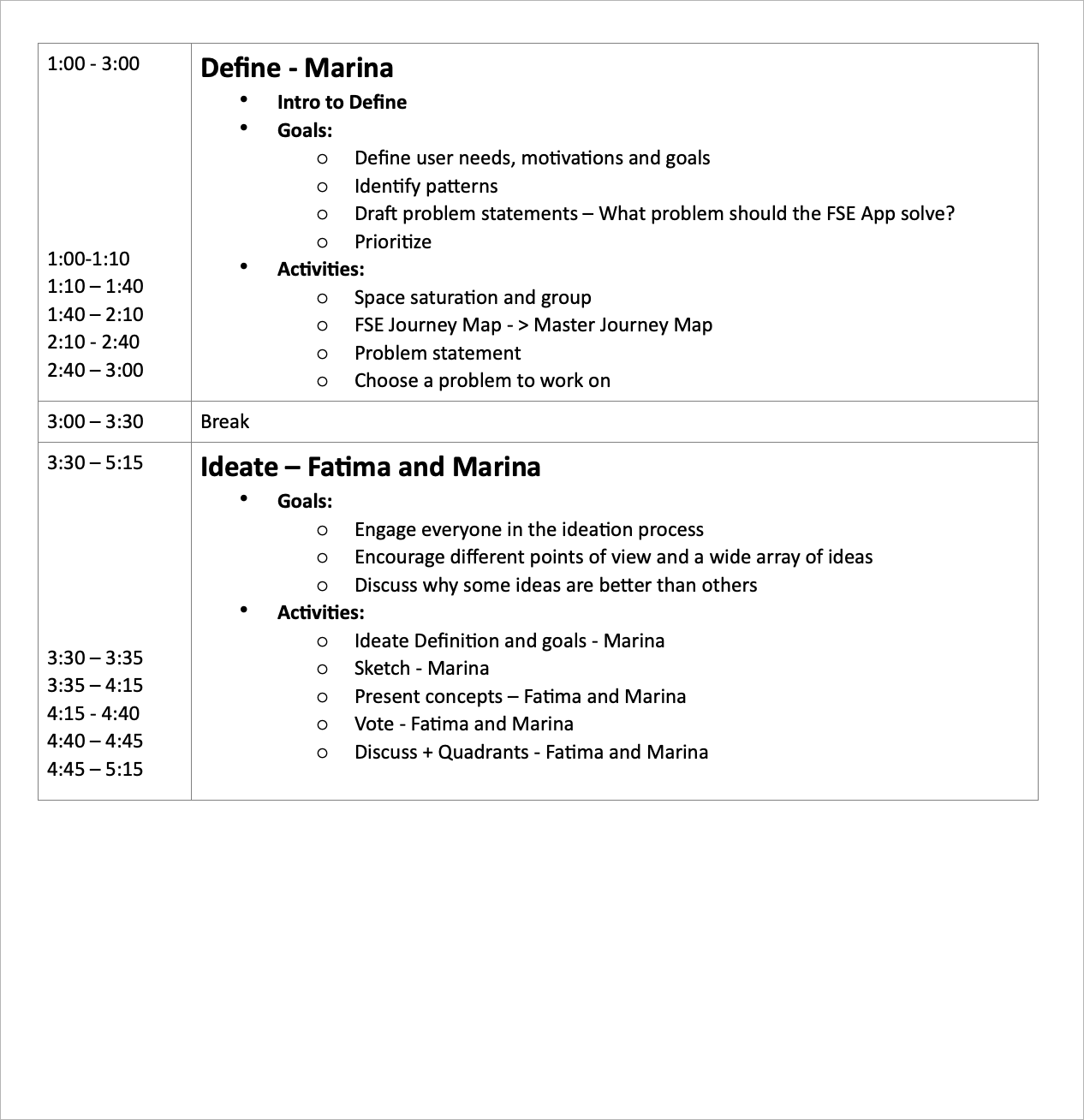
Draft a workshop plan
I worked with my team on a detailed workshop plan with goals, activities, and a timeline. It became clear that we could cover only Empathy, Definition, and Ideation within our allotted time.

Introduce Design Thinking
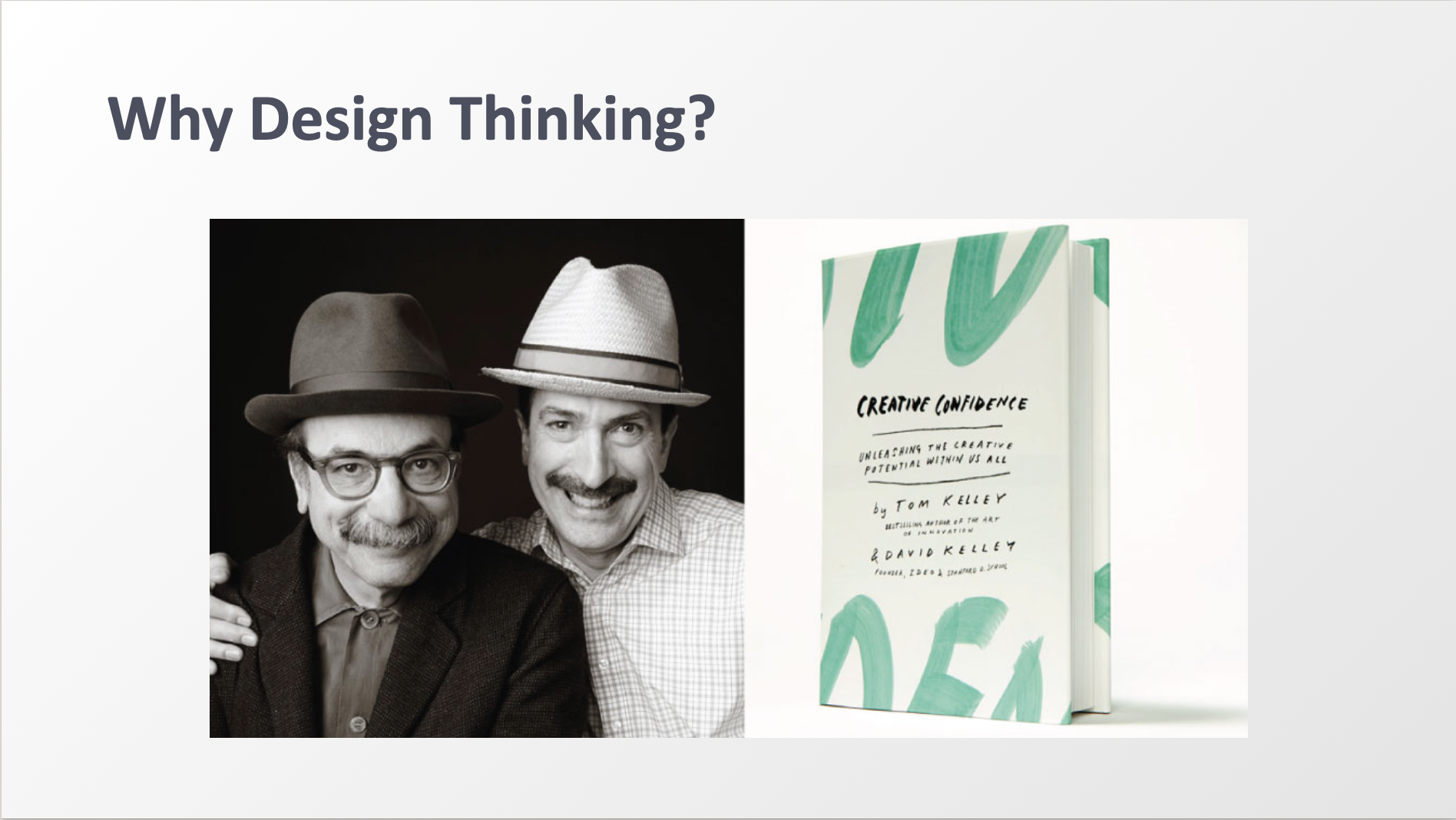
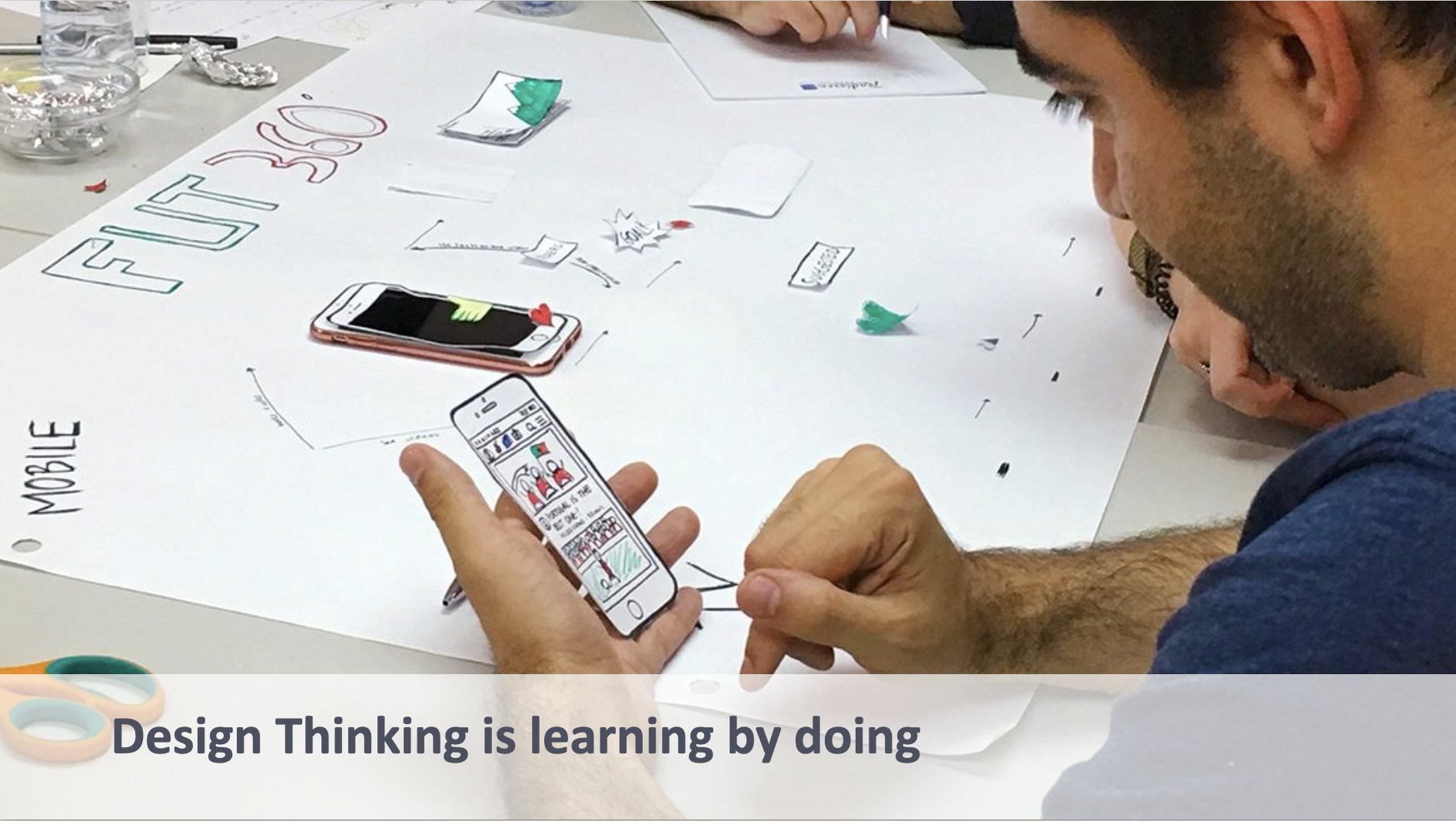
Before discussing the challenge we were brought together to solve, I wanted to introduce Design Thinking and the mindsets needed to get the most out of the methodology and the workshop.
Screenshots from my presentation on Design Thinking


Lead the Workshop
I facilitated the workshop over Zoom. I explained the concepts and activities, gave instructions, and kept track of time. My team helped me on the ground. They guided the workshop participants and took notes and pictures.
THE WORKSHOP
Context
As part of its Service Parts Logistics business, UPS manages a network of 850+ field stocking locations (warehouses) that support clients like Philips and GE with spare parts for their customers' repairs.
Field Service Engineers (FSEs) are the technicians who perform appliance repairs. Their work is heavily dependent on having the necessary spare parts on time.
How Might We…
UPS wanted to explore how they could reduce the FSEs' dependency on the UPS Call Center and give them more visibility into the spare parts order, delivery, and return process.
Part 1. Empathize
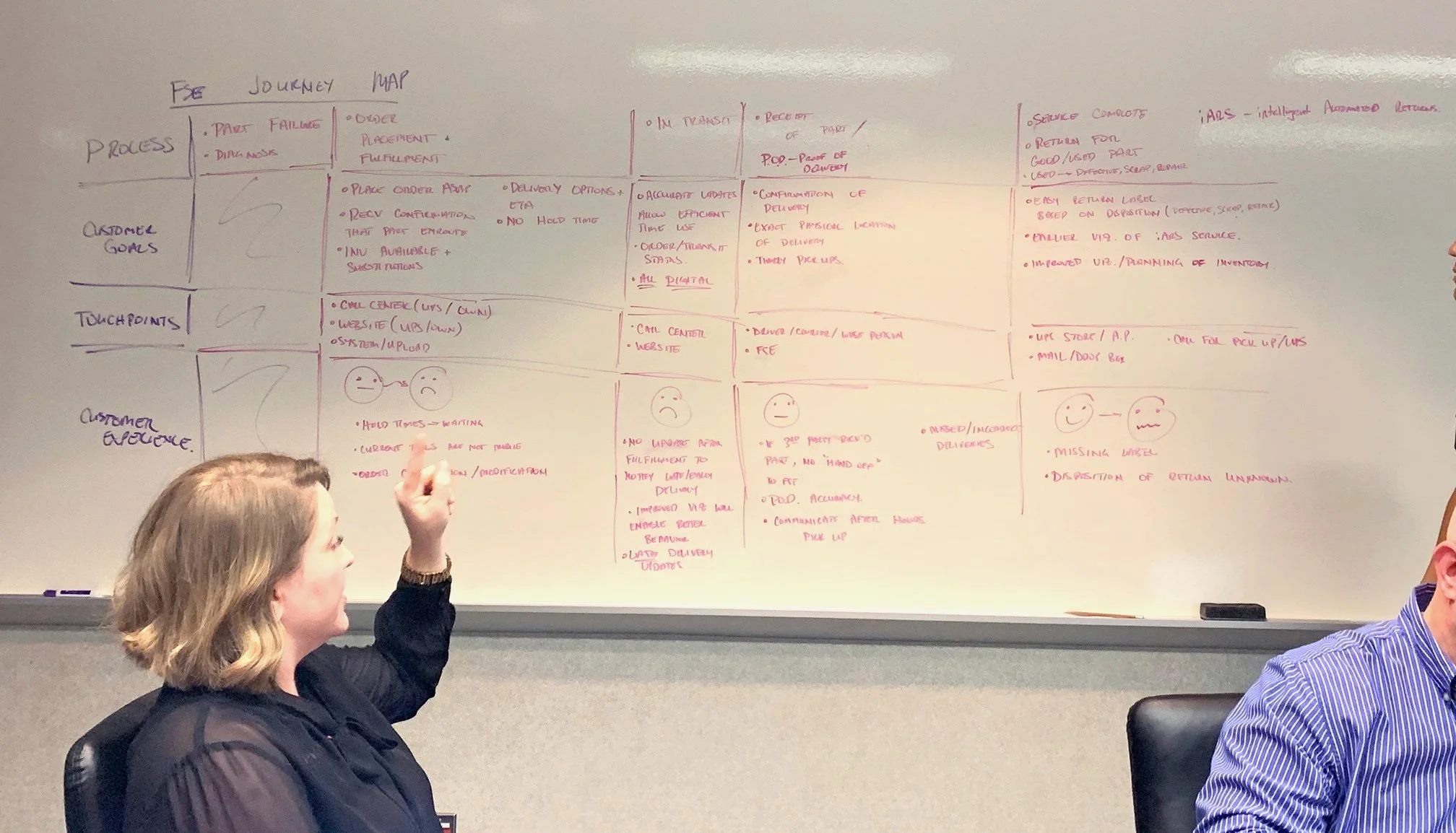
The Design Thinking workshop was scheduled during Candace Nowlon's visit as director of Program Management at Service Parts Logistics. She had extensive knowledge of the business and the work of Field Service Engineers. We interviewed her to understand the business context and the FSE’s experience getting the needed parts to their customers.
We created a journey map to align our understanding of the process and the FSE’s experience.
Part 2. Define
While we were talking to Candace Nowlon, the participants were asked to take notes on their learning. Then, we broke into groups and did Space Saturation and Affinitization.
Each team had a work space to share their learnings and identify patterns.
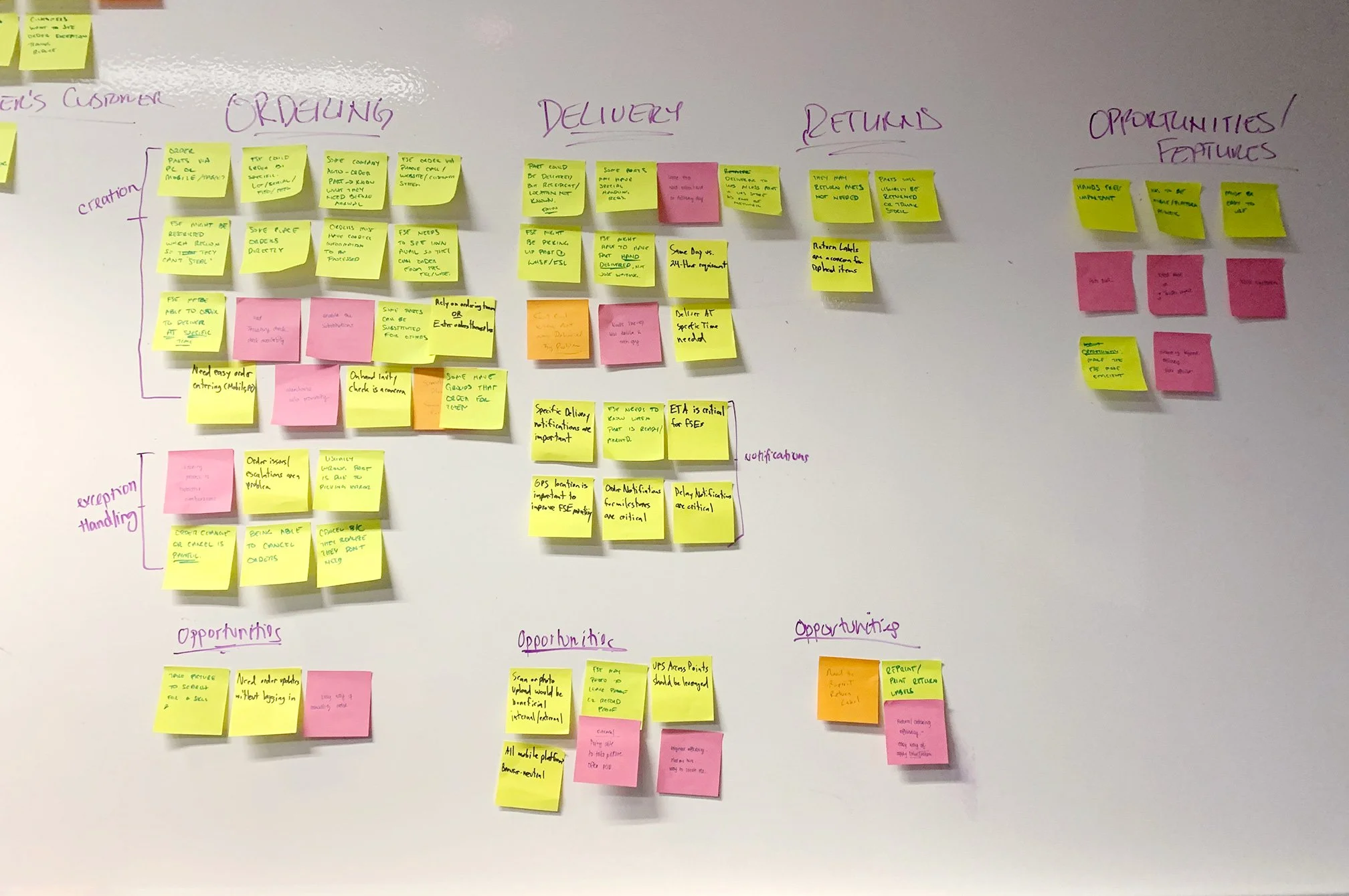
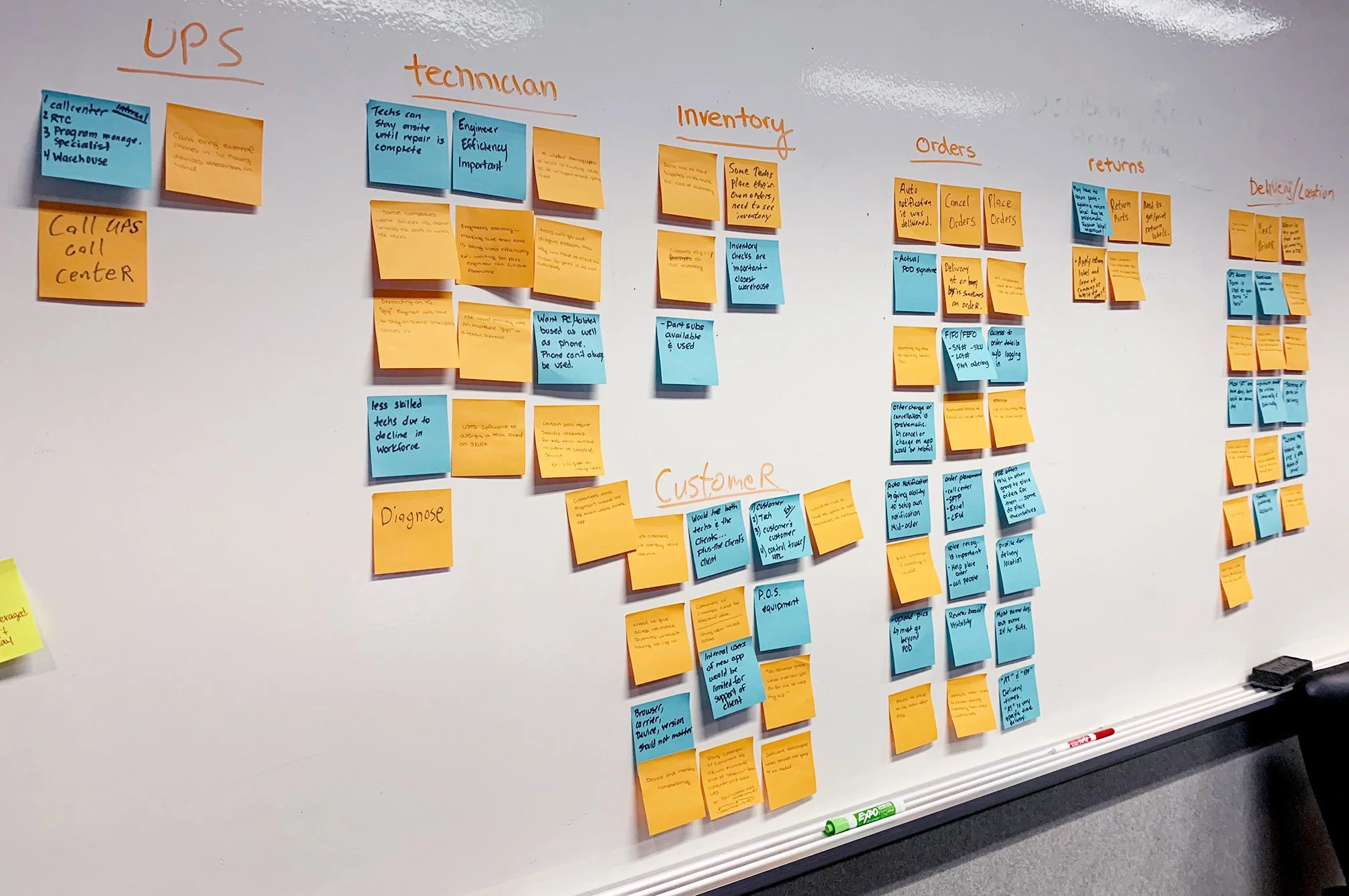
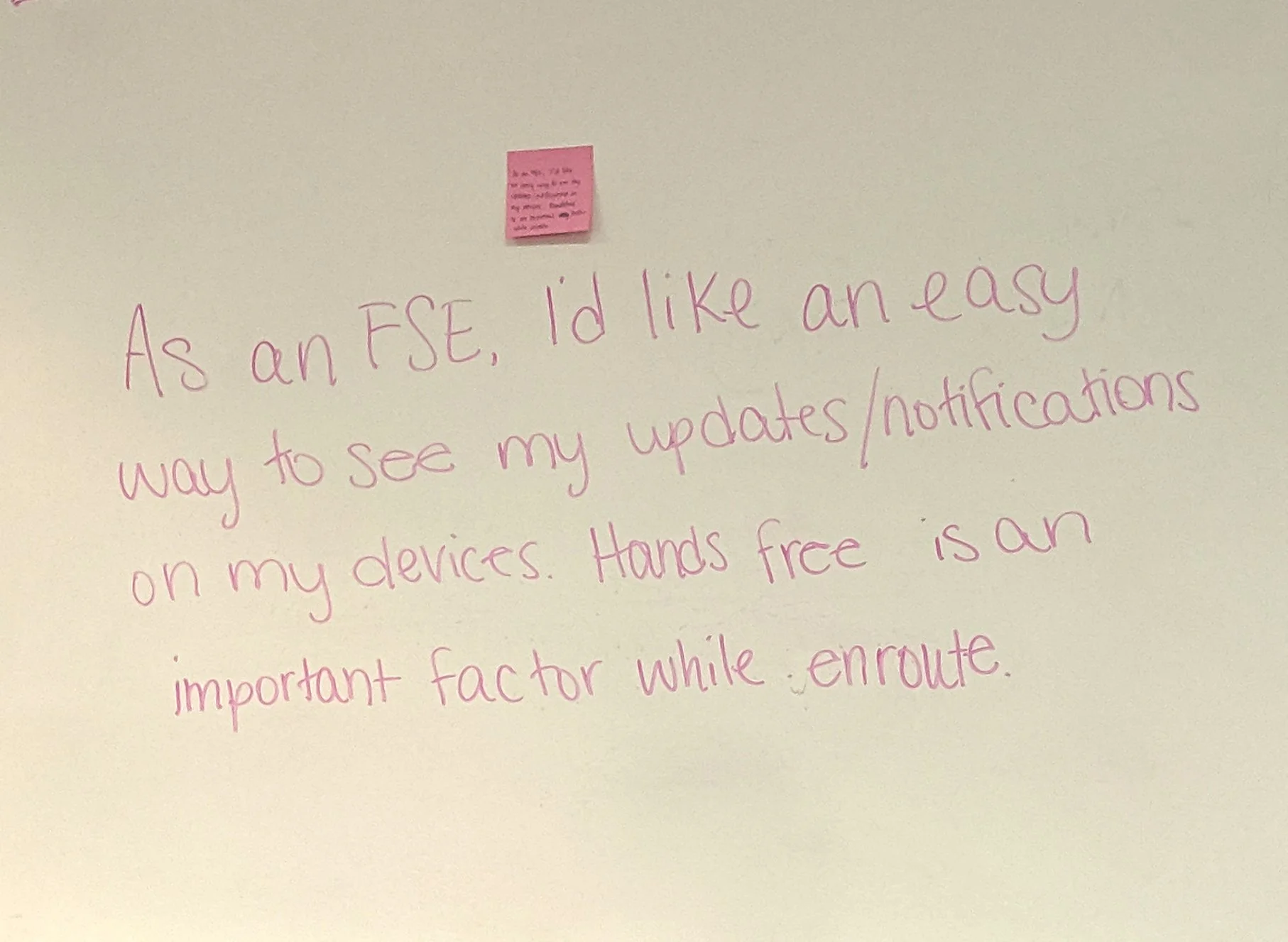
We learned how to write Problem Statements - each participant had to summarize their understanding of the problems FSEs faced using problem statements.
We affinitized all problems into themes and voted for the problem we wanted to work on as a team.
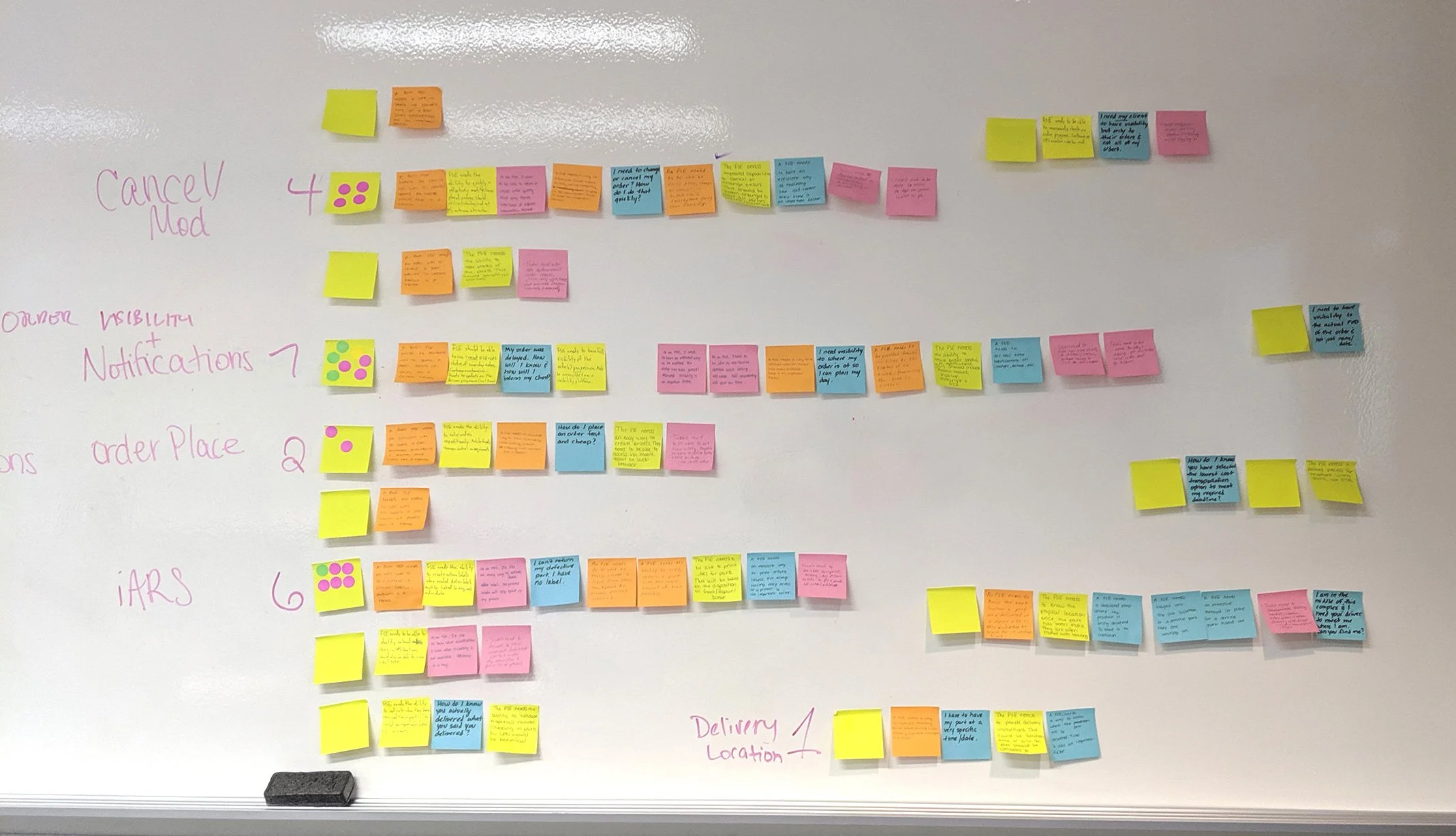
Then, we worked together to flesh out the problem statement further.
Part 3. Ideate
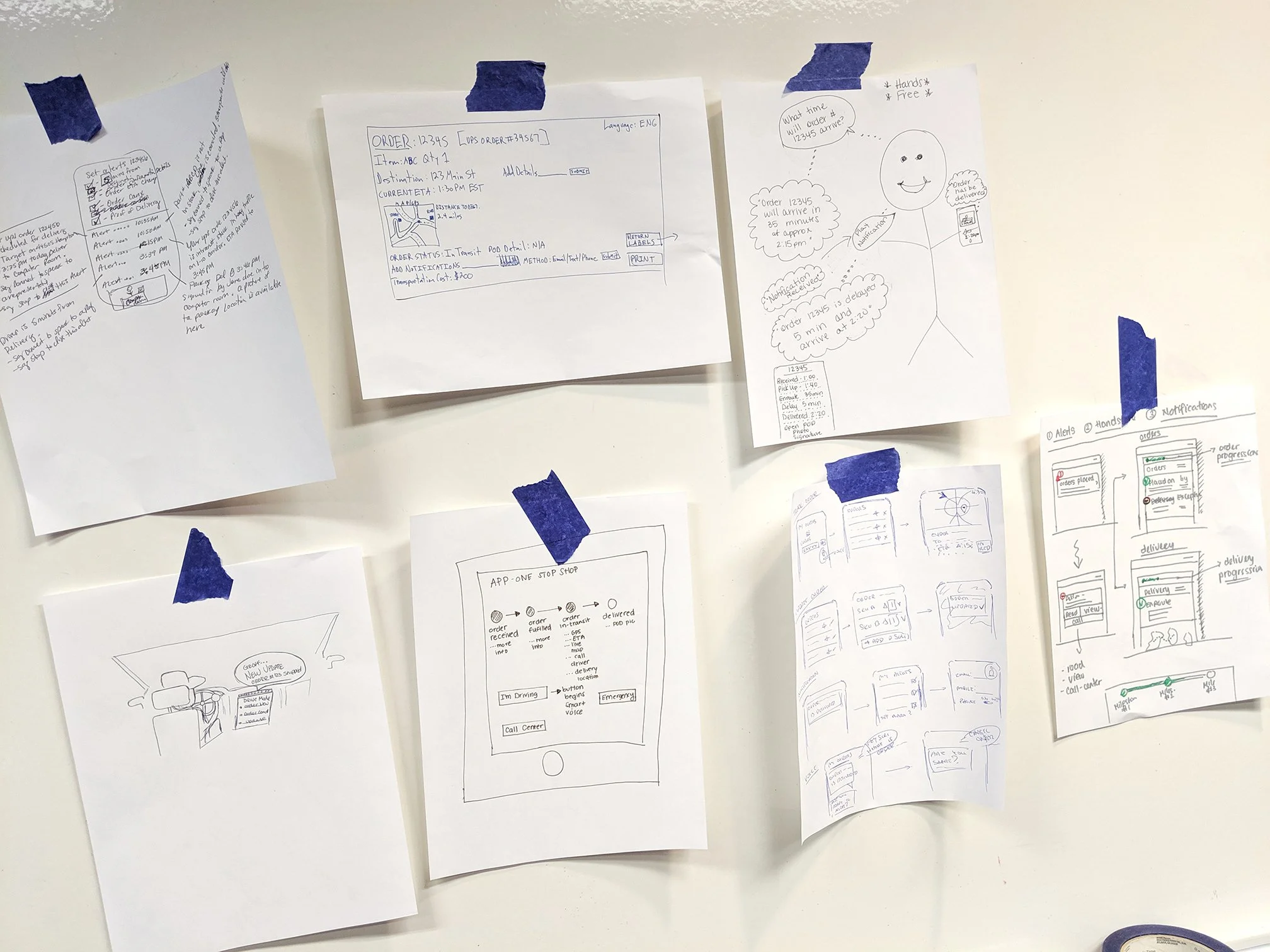
We did Crazy 8s for our ideation activity. We wrapped up the workshop by presenting our sketches.
TAKE AWAYS
The workshop was an excellent way to introduce Design Thinking and initiate discussion about the need for more user research and collaboration in our product development processes. Everyone appreciated the alignment, the opportunity to contribute, and the wide range of ideas we generated.
However, a missed opportunity for the workshop participants was that we did not have time to work on prototyping and testing our solutions with real users. Prototyping and testing are essential for validating assumptions and solutions, and make the process truly human-centered.